Optimizing Small Bathroom Showers for Style and Function
Designing a small bathroom shower requires careful consideration of space utilization, functionality, and aesthetic appeal. Efficient layouts can maximize limited space while maintaining comfort and style. Common configurations include corner showers, walk-in designs, and enclosed stalls, each offering unique advantages suited for compact bathrooms. Selecting the right layout involves analyzing existing bathroom dimensions, plumbing placements, and personal preferences to create a harmonious balance between practicality and visual appeal.
Corner showers are ideal for small bathrooms as they utilize existing corner space, freeing up the rest of the room. They often feature a quadrant or angled design, which minimizes footprint while providing ample shower area. These layouts can incorporate glass enclosures to create an open feel and enhance the perception of space.
Walk-in showers are popular for their sleek, accessible design. They eliminate the need for doors or curtains, making the bathroom appear larger. Incorporating glass panels and minimal framing can further enhance openness, while integrated shelving and niches optimize storage without cluttering the space.

Small bathroom shower layouts often feature compact designs that make the most of limited space. These include corner units, sliding doors, and slim profiles that fit seamlessly into tight areas.
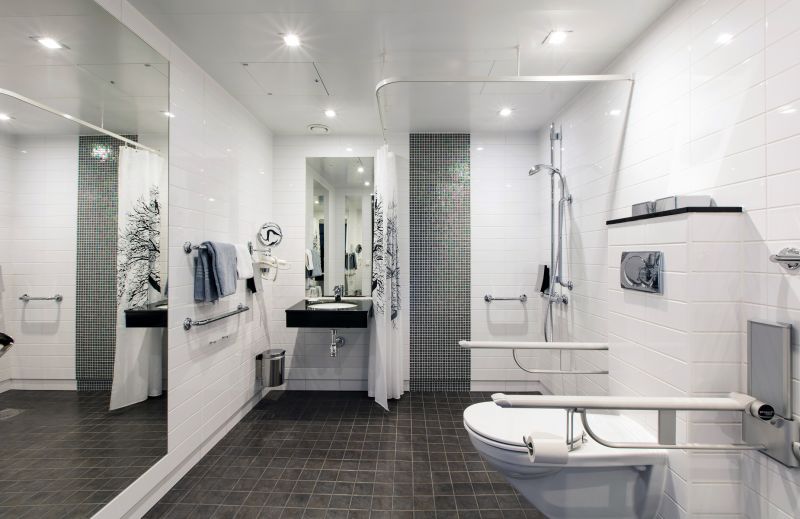
Innovative layouts can incorporate multi-functional elements, such as combined shower and storage niches, to maximize utility without sacrificing style.
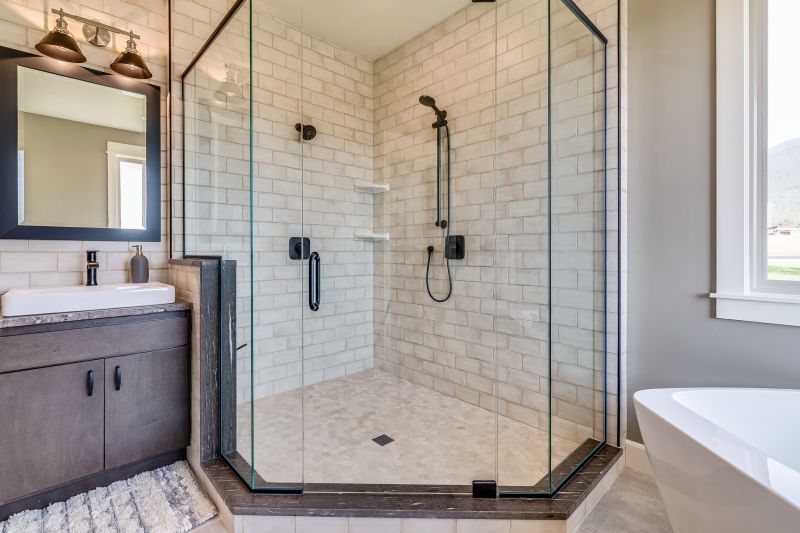
Glass enclosures and minimal framing create an open, airy feel, making small bathrooms appear larger and more inviting.
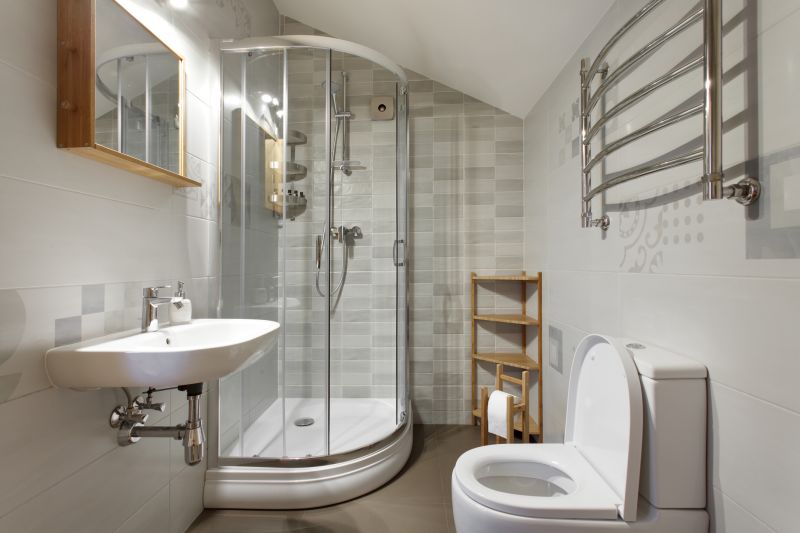
Smart use of vertical space with tall, narrow niches and hanging fixtures enhances storage while maintaining a clean look.
Another critical aspect of small bathroom shower design is the choice of materials and fixtures. Light-colored tiles and reflective surfaces can brighten the space, creating an illusion of openness. Compact fixtures, such as wall-mounted controls and slim-profile showerheads, contribute to a streamlined appearance. Incorporating built-in shelves or niches allows for essential toiletries without encroaching on the shower area, maintaining a clutter-free environment.
| Layout Type | Advantages |
|---|---|
| Corner Shower | Maximizes corner space, minimizes footprint, suitable for small bathrooms. |
| Walk-In Shower | Creates a spacious feel, accessible, easy to clean. |
| Sliding Door Shower | Reduces door swing space, ideal for tight areas. |
| Neo-Angle Shower | Fits into corner spaces with angled glass, saves space. |
| Wet Room | Open-plan design, enhances visual space, modern aesthetic. |
| Shower with Bench | Provides seating and storage, functional for small spaces. |
Lighting plays a vital role in small bathroom shower design. Bright, layered lighting enhances visibility and creates an inviting atmosphere. Combining recessed ceiling lights with wall-mounted fixtures near the shower can eliminate shadows and highlight design features. Proper lighting, paired with reflective surfaces, amplifies the sense of space and ensures functionality.
Ultimately, the goal of small bathroom shower layouts is to balance form and function. Innovative solutions like multi-purpose fixtures, space-saving storage, and strategic layout choices can transform a compact bathroom into a comfortable, stylish area. Attention to detail in materials, lighting, and hardware ensures a cohesive design that maximizes every square inch while maintaining visual harmony.